
Your Cart is Empty




Personalized Approach
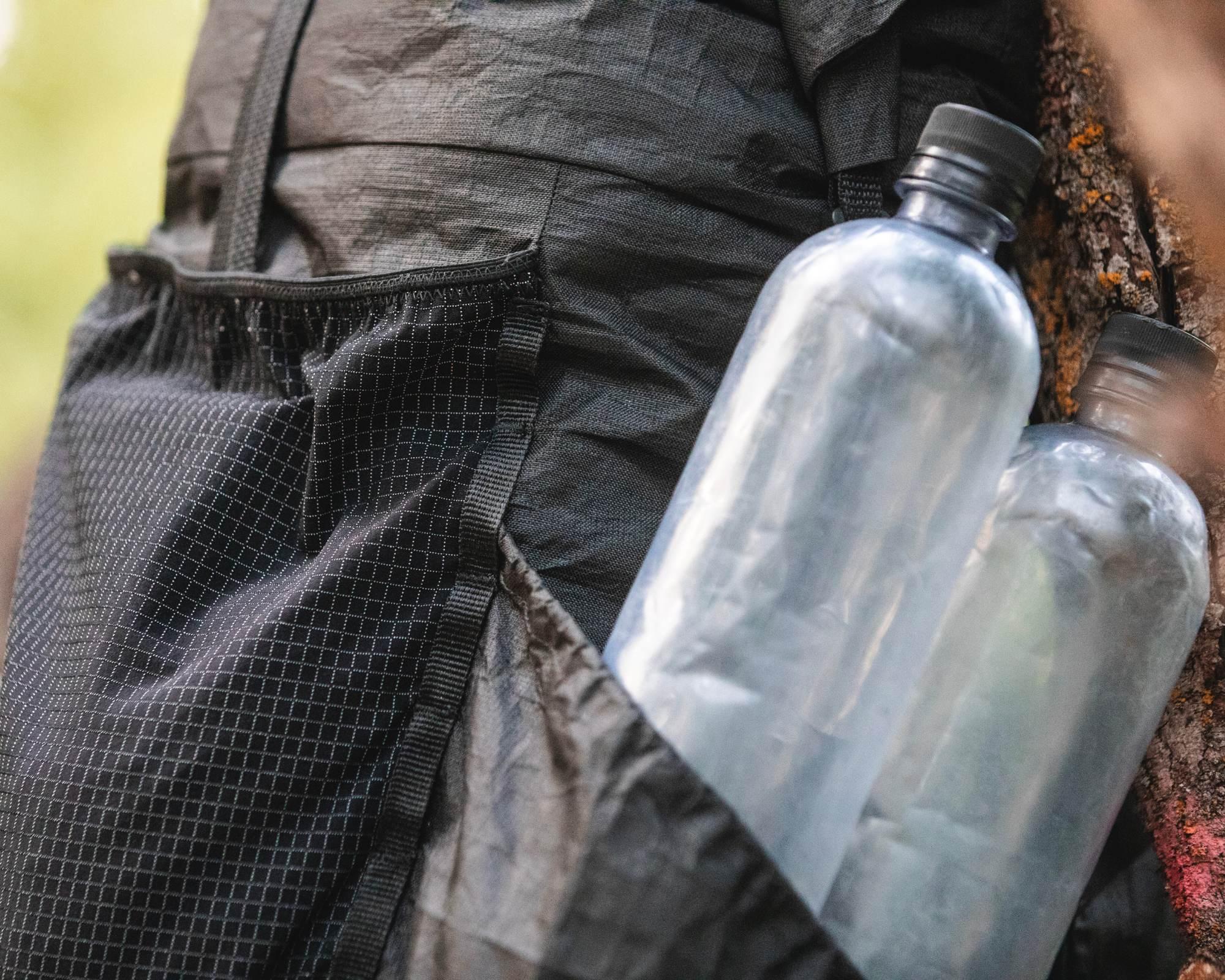
From wood pulp to wind farms and recycled water bottles. Each brand takes its own approach.
By addressing their biggest liabilities, each brand tailors its strategy to maximize impact.
Starting with Fiber
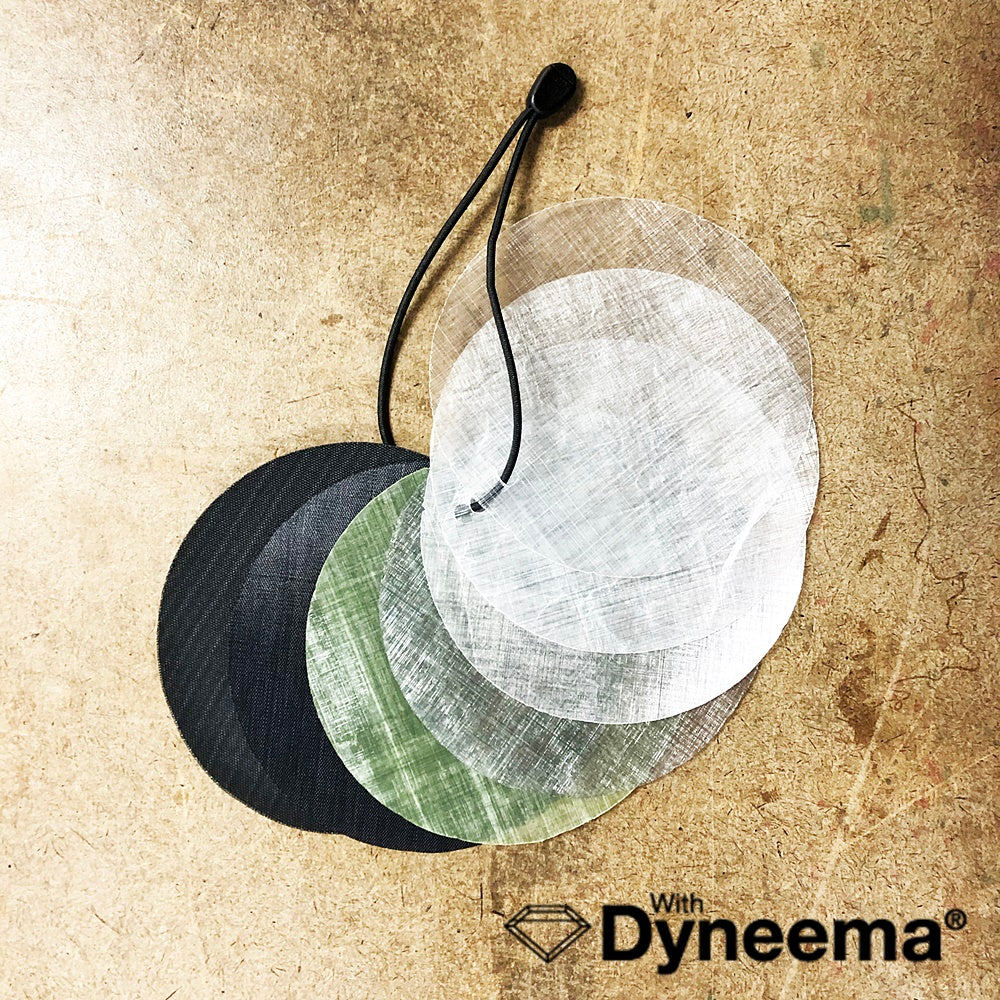
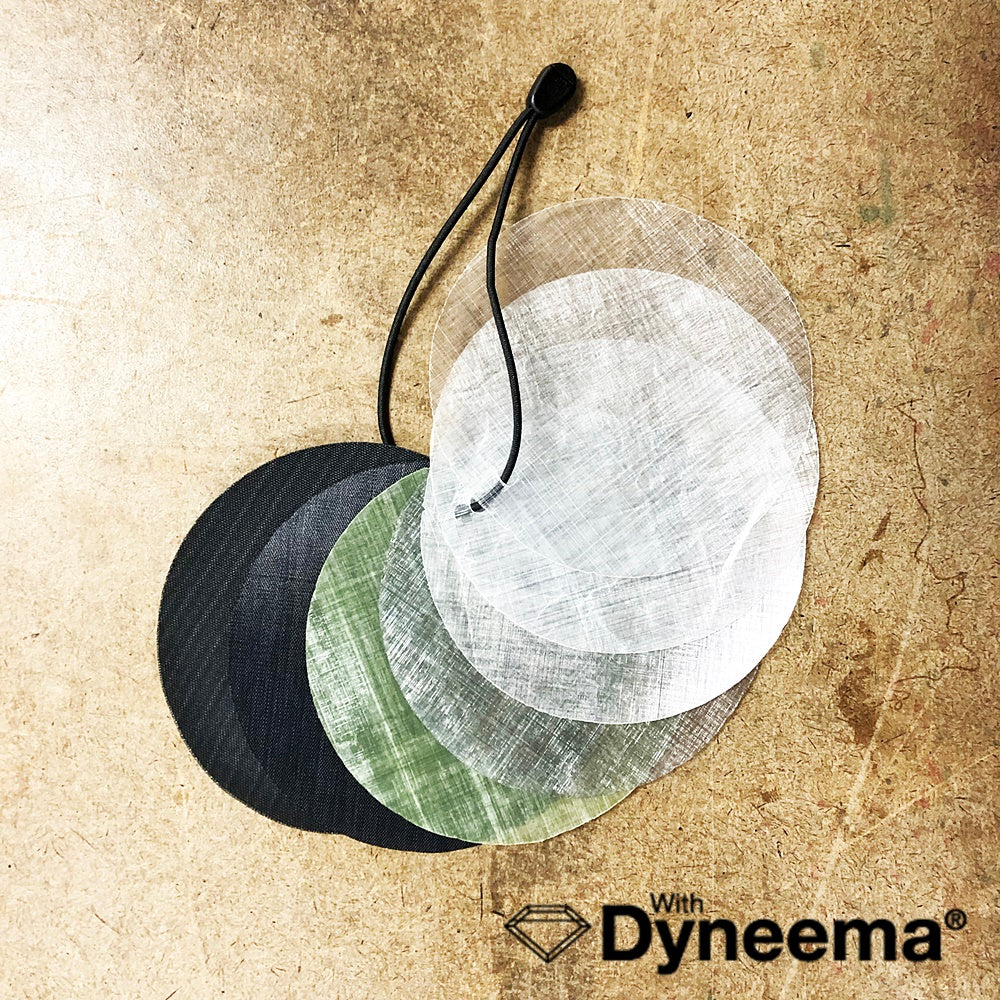
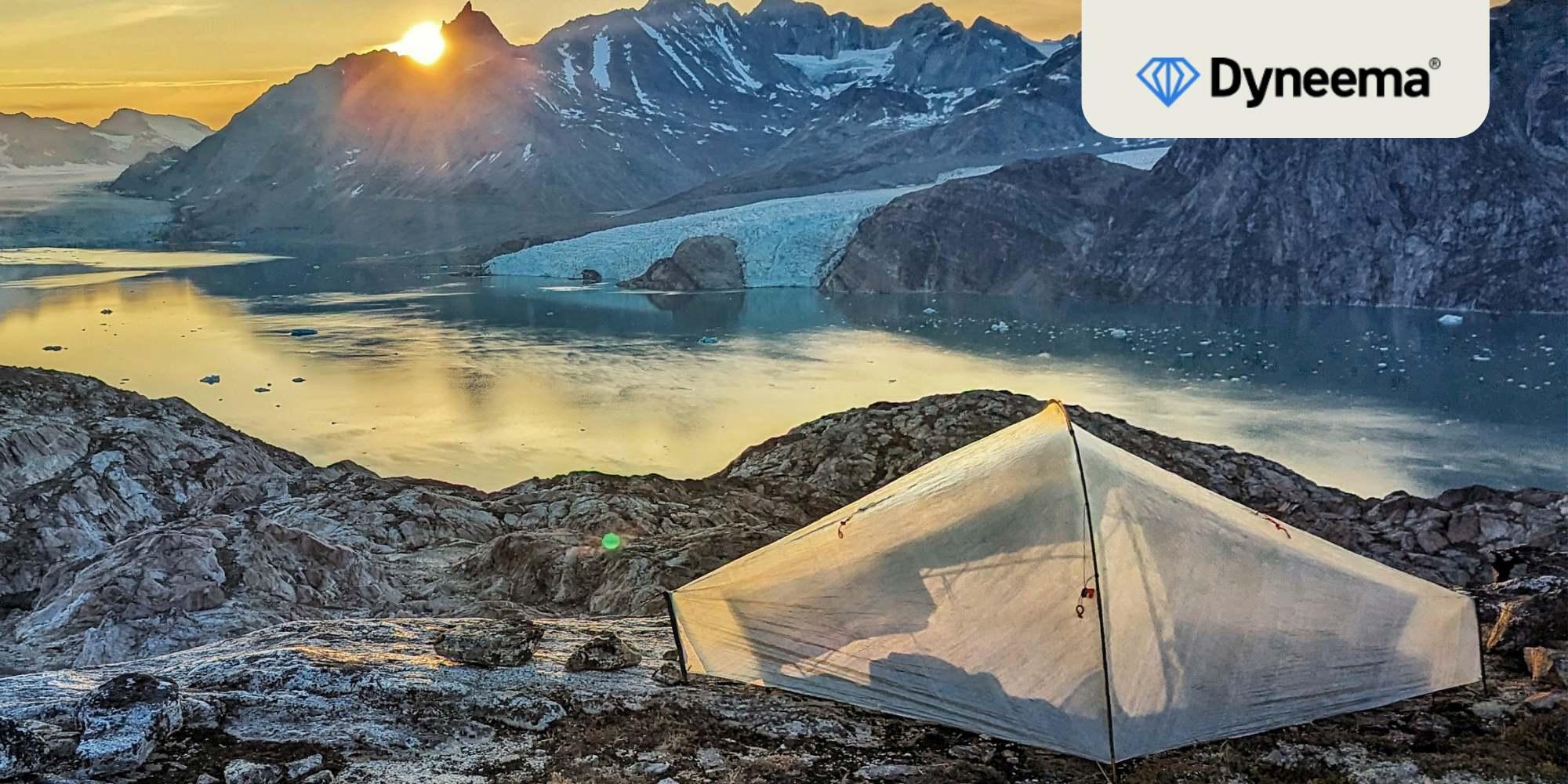
Producing Dyneema® fiber has always been a complex and costly process.
With a focus on building long-lasting assets rather than consumables, Dyneema® developed a system that transforms waste from the timber industry (in the form of wood pulp) into the ethylene used for their fiber.
This process has lowered the carbon footprint by up to 90% compared to generic UHMWPE fiber - a key differentiator in the ECO equation for anyone truly paying attention. Dyneema® may be more expensive than generic UHMWPE fiber, but they are not the same thing.
Bottom line? Using Dyneema® is an active choice towards a more sustainable product—a fact that many choose to forget or simply don't realize at all.
Read more about Dyneema's extensive and intentional approach to sustainability
People and Process
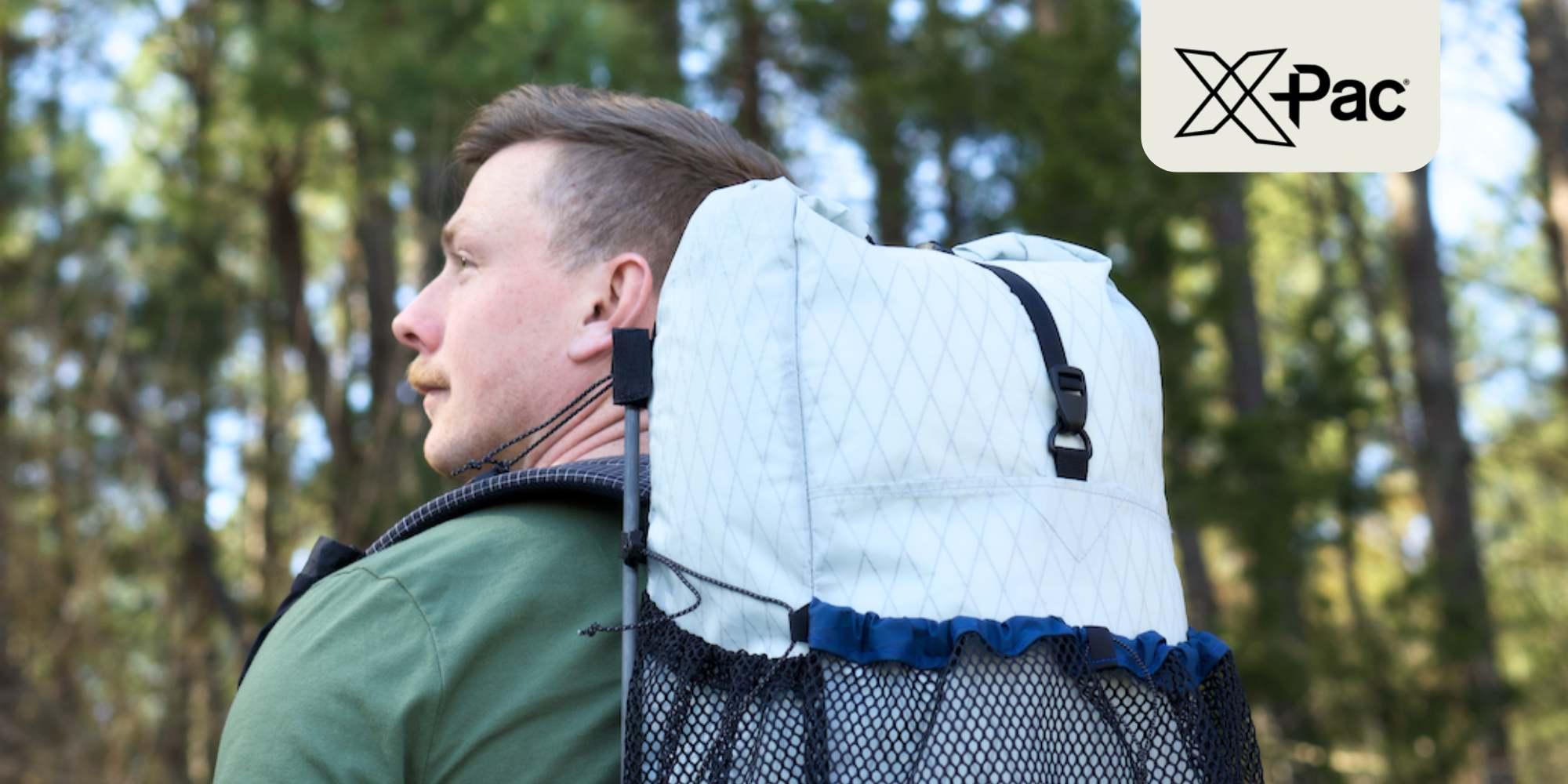
X-Pac® measures every mile of travel and every pound of waste to calculate their carbon footprint. Their facilities run on renewable energy, and their fibers incorporate recycled content.
Still, impact is unavoidable - which is why they also invest in wind farms in the Caribbean to offset emissions.
X-Pac® is committed to producing clean products, see their approach here
Recycled Content
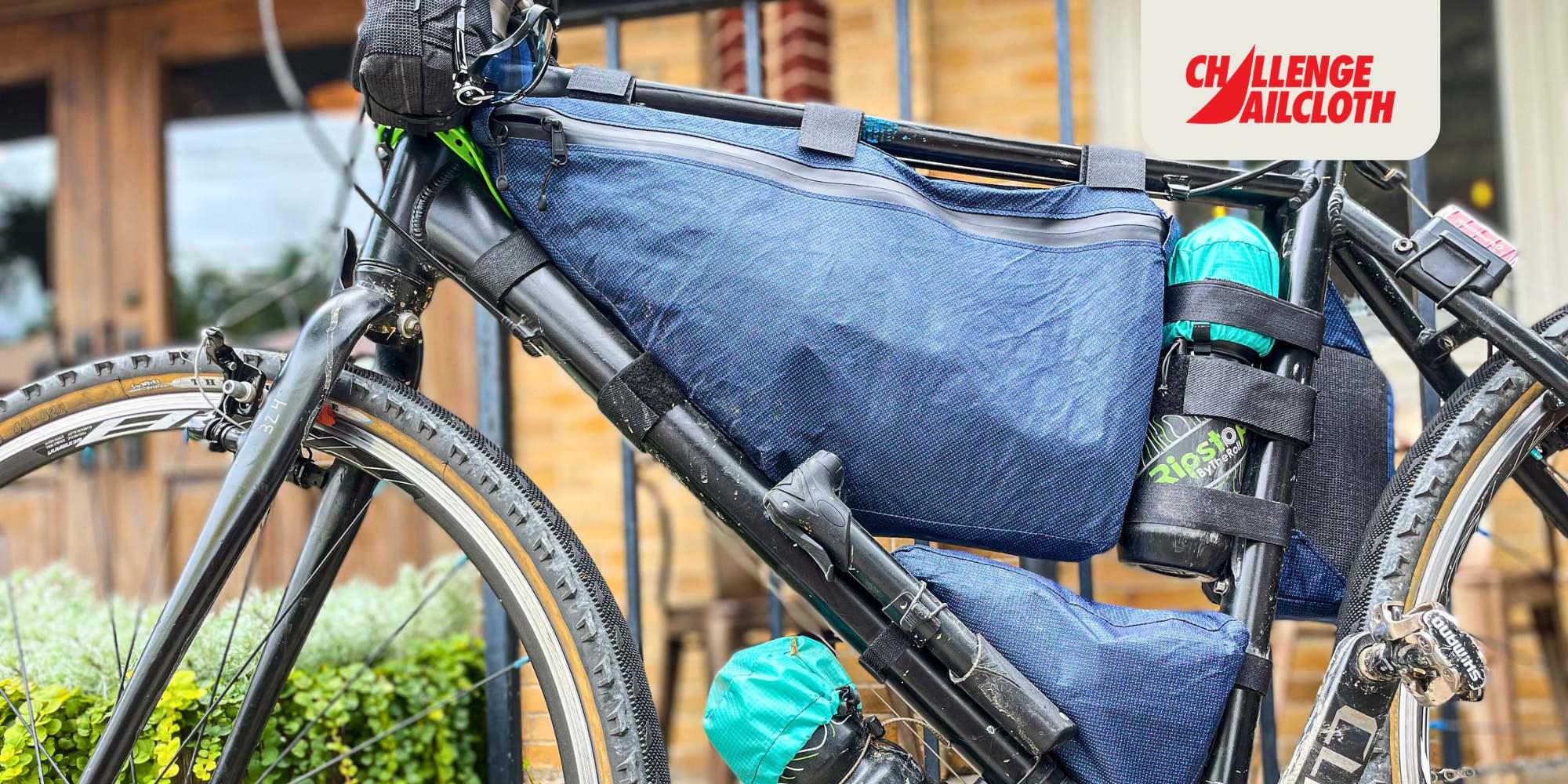
Challenge focuses on product-level solutions.
Their face fabrics use recycled content and laminations rely on non-toxic adhesives, while films are often recycled.
By designing raw goods that eliminate the need for drying ovens and curing rooms (energy intensive industry standards) they are able to dramatically cut energy use.
Read Challenge Outdoor's Sustainability report here
Material Design + Production Facilities
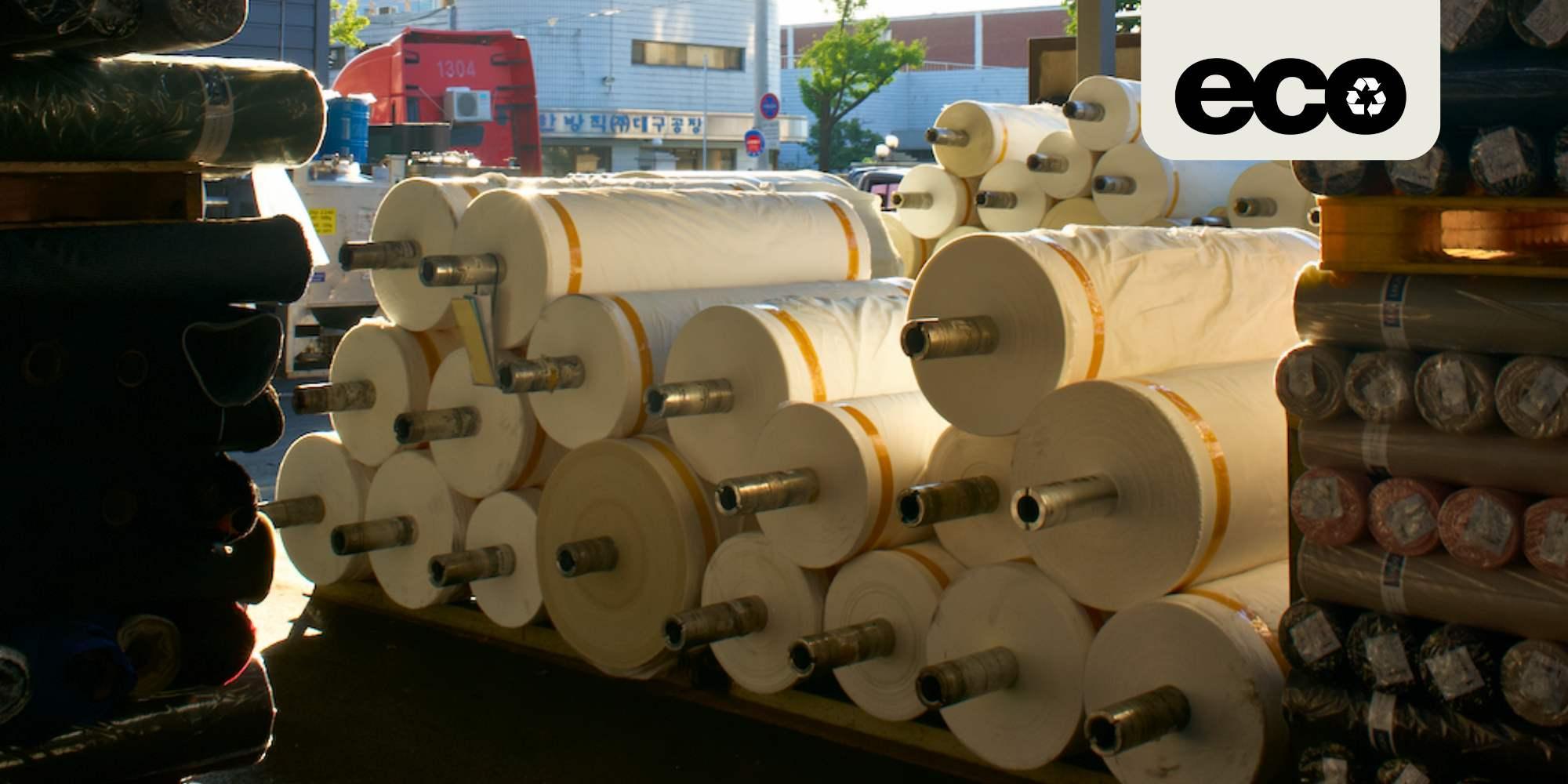
Our own ECO line of fabrics and materials combines post-consumer recycled content with PFC/PFAS free C0 DWR. When recycled content isn't feasible, we design with lower impact solutions such as dope dyed yarn (no dye stuff chemicals), which significantly reduces toxic runoff into local waterways.
We routinely visit many of our partner facilities around the world to see firsthand how they're using advanced (and costly) systems to filter the air and water used in fabric production, ensuring safer outcomes for local communities and environments.
Hear about the ECO initiative we launched in 2022
In the right direction
No single company has all the answers. What matters most is the industry-wide shift.
You, the makers and businesses, have changed the expectations for the better.
Each brand is stepping up to prioritize more sustainable practices so the projects you make will stay on the road and trail and out of the landfill.